Information about Istanbul - Everything You Want to Know
2026-11-16
355,436 Views
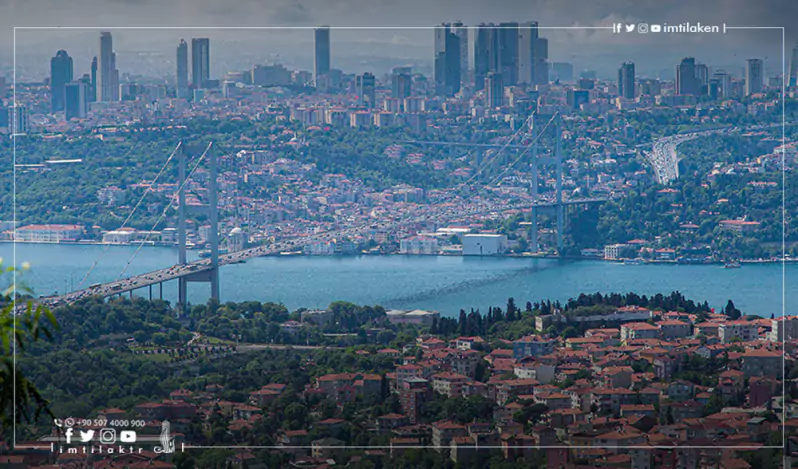


Istanbul, Turkey's largest city and its economic and cultural capital, spans both the European and Asian continents on either side of the Bosphorus Strait. Its population is estimated at about 15.8 million in 2026, covering an area close to 5,343 km², making it one of the most populous cities in Europe and one of the world’s top tourist and investment destinations. In this comprehensive guide, we take you on a tour through the city's history, its main tourist areas, transportation network, and lifestyle.
- Istanbul: The Largest City in Turkey
- Where is Istanbul Located?
- Istanbul: 10 Facts You Didn’t Know
- How Large is Istanbul?
- What is the Population of Istanbul?
- Map of Istanbul in Arabic and Istanbul's European and Asian Municipalities
- Transportation in Istanbul
- 1. Istanbul Metro
- 2. Istanbul Metrobüs
- 3. Istanbul Tramway
- 4. Public Buses in Istanbul
- 5. Dolmuş in Istanbul, Turkey
- 6. Istanbul Taxis - Taxi Cars
- 7. Ships and Ferries - Maritime Transportation in Istanbul
- Vital Projects in Istanbul
- 1. New Istanbul Airport
- 2. Istanbul Canal - The Dream Project
- 3. Eurasia Tunnel in Istanbul
- 4. Third Istanbul Bridge - Sultan Selim Bridge
- International Schools in Istanbul
- Tourism in Istanbul - Outstanding in All Seasons
- Tourist Spots in Istanbul
- 1. Hagia Sophia Mosque
- 2. Topkapi Palace - The Imperial Gate Palace
- 3. Sultan Ahmed Mosque - Blue Mosque in Istanbul
- 4. Covered Market - Grand Bazaar
- 5. Mall of Istanbul - The Largest Multi-Purpose Mall in Europe
- 6. Tulip Festival in Istanbul - A Paradise in a City
- Istanbul Real Estate - A Sea of Options
Istanbul: The Largest City in Turkey
If you mention history, you must mention it as a living witness to history with an age exceeding eight thousand and 500 years. If you study geography, you must study it as a lasting model of a metropolis that connected east and west civilizations for centuries through its strategic location.
It is Istanbul, the most important city in Turkey, the largest by population, and its economic, tourism, and cultural capital. Historically, it has been known by various names including Byzantium, Constantinople, Astana, and Islambol, with nicknames like the City of Seven Hills and the City of Minarets.
Where is Istanbul Located?
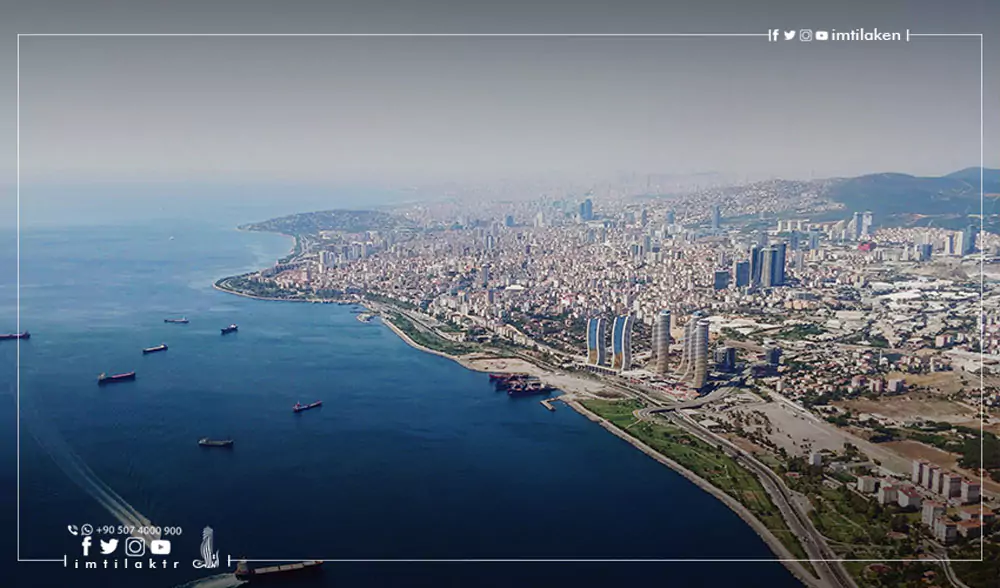
Istanbul is located in the Marmara region in the northwest of the country, bordered to the north by the Black Sea, to the south by the Sea of Marmara, to the east by Sakarya and Kocaeli provinces, and to the west by Tekirdag province; it is characterized by diverse geographical terrain due to its extension over two continents!
Istanbul: 10 Facts You Didn’t Know
Its historical age exceeds 8,500 years, according to recent archaeological discoveries in the Yenikapı area.
The most famous city in the world that extends over two continents (Europe and Asia).
It has had four official names throughout its history: Byzantium, Constantinople, Islambol, then Istanbul.
Its population is approximately 15.8 million, accounting for more than 18% of Turkey’s total population.
It alone contains 39 municipalities (25 European and 14 Asian).
Contributes about 38% of Turkey’s industrial production and more than 55% of national exports.
The Grand Bazaar has been operating since 1461, over 560 years ago.
It includes the largest multi-purpose mall in Europe (Mall of Istanbul).
The Eurasia Tunnel connects the city's two shores under the seabed in only 15 minutes instead of over an hour.
Annually hosts the Tulip Festival, where millions of flowers bloom in its gardens every spring.
How Large is Istanbul?
Istanbul covers a total area of 5,461 km², of which 5,343 km² is land. The metropolitan area known as "Greater Istanbul" extends over 1,830 km² of this space, making it one of the largest urban agglomerations in Europe.
Total City Area | 5461 km² |
Land Area | 5343 km² |
Central City Area | 1830 km² |
What is the Population of Istanbul?
According to the latest estimates from the Turkish Statistical Institute (TÜİK), Istanbul's population is about 15.8 million in 2026, making it the most densely populated province in Turkey by a considerable margin, housing about 18% of the country’s roughly 86 million population. Esenyurt is the largest district by population and the first district in Turkey with over one million residents.
Top 10 Most Populous Districts in Istanbul
Nearly a quarter of the city’s population lives in its five largest districts:
# | District | Side | Population |
|---|---|---|---|
1 | Esenyurt | European | 1,003,905 |
2 | Küçükçekmece | European | 785,270 |
3 | Pendik | Asian | 752,033 |
4 | Ümraniye | Asian | 728,913 |
5 | Bağcılar | European | 707,635 |
6 | Bahçelievler | European | 539,035 |
7 | Başakşehir | European | 536,797 |
8 | Sultangazi | European | 529,306 |
9 | Maltepe | Asian | 525,044 |
10 | Üsküdar | Asian | 514,294 |
Source: Turkish Statistical Institute (TÜİK), results of the Address Based Population Registration System as of December 31, 2025.
Regarding investment in Istanbul, the city is the largest industrial center among Turkish cities. It contributes growth rates classified among the highest in the country, including:
Employment Rate | 20 % |
Industrial Production Rate | 38 % |
Export Rate | 55 % |
A recent report by the American site Insider Monkey classified Istanbul among the cities preferred by billionaires worldwide based on the number of wealthy residents.
Map of Istanbul in Arabic and Istanbul's European and Asian Municipalities
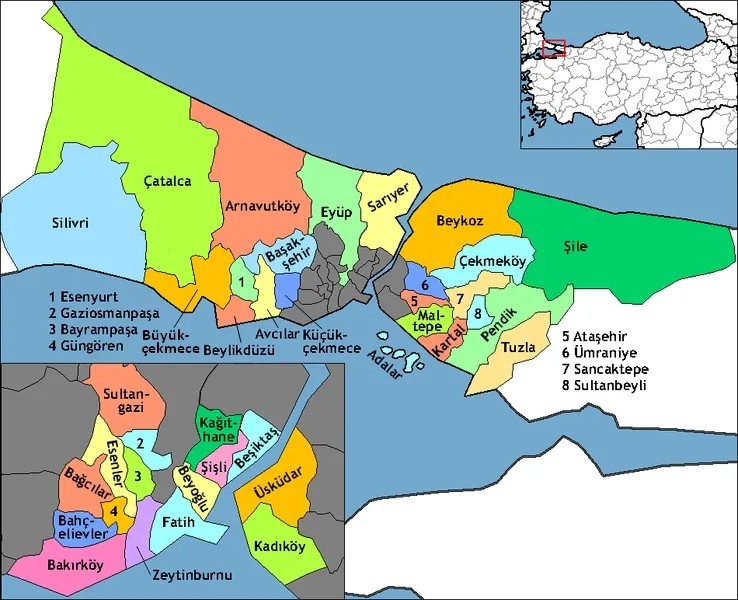
Managing a city as large as Istanbul and providing services to millions of residents around the clock is not easy. Therefore, the city was divided according to an effective system of municipalities. Greater Istanbul Municipality is the central municipality and the main hub for other municipalities. It was founded in 1984 and coordinates, supervises, and follows up with the subordinate municipalities. Below are Istanbul's 39 municipalities:
Click on the name of the municipality you want to learn about in the table below:
Greater Istanbul Municipality | |
1. Esenyurt | 26. Ataşehir |
2. Fatih | 27. Üsküdar |
3. Esenler | 28. Pendik |
4. Arnavutköy | 29. Beykoz |
5. Avcılar | 30. Çekmeköy |
6. Eyüp Sultan | 31. Tuzla |
7. Başakşehir | 32. Princes' Islands |
8. Bağcılar | 33. Sultanbeyli |
9. Bahçelievler | 34. Sancaktepe |
10. Beşiktaş | 35. Şile |
11. Bakırköy | 36. Ümraniye |
12. Beyoğlu | 37. Kadıköy |
13. Bayrampaşa | 38. Kartal |
14. Beylikdüzü | 39. Maltepe |
15. Büyükçekmece | |
16. Çatalca | |
17. Zeytinburnu | |
18. Sarıyer | |
19. Sultangazi | |
20. Silivri | |
21. Şişli | |
22. Gaziosmanpaşa | |
23. Güngören | |
24. Kağıthane | |
25. Küçükçekmece | |
Transportation in Istanbul
Currently, Istanbul is bustling with many transportation projects under construction. When completed, the transportation landscape in Istanbul is expected to change dramatically!
Considering the vastness and sprawl of the city, residents will be able to travel across the city in record times via a complex network covering all areas. This will make transportation difficulties a thing of the past. Below, we review all available transportation methods in Istanbul:
Learn more by reading our article on: Living in Istanbul.
1. Istanbul Metro
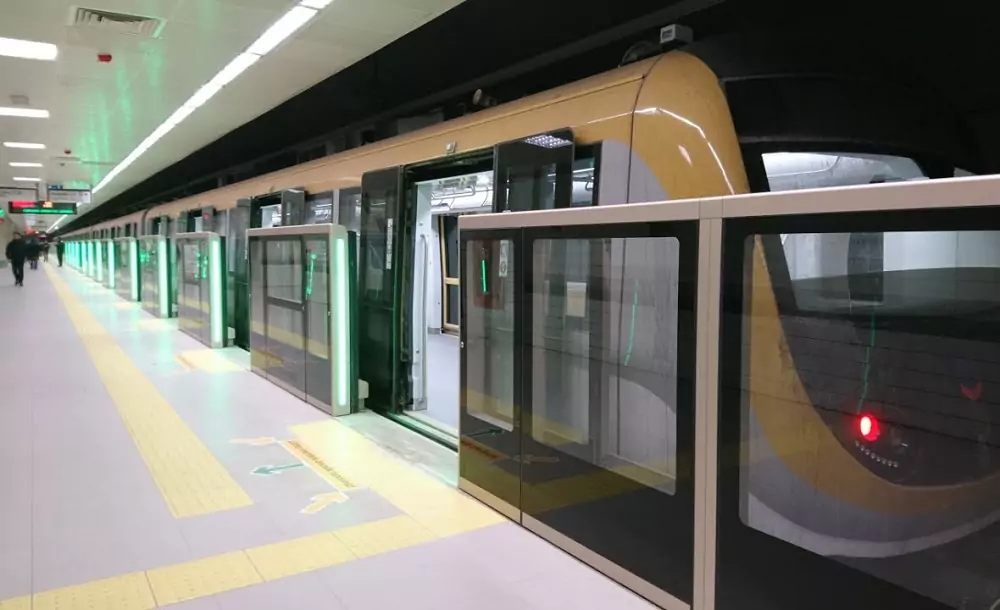
Alongside existing lines, Greater Istanbul Municipality is building and planning more than 18 new metro lines, with a total urban rail network length of about 380 kilometers. Continuous infrastructure upgrades use the latest driverless self-operating train technologies. Below are some of the main operational metro lines above and underground:
Line M1 connects Yenikapı Central Station to Atatürk International Airport.
Line M2 connects Yenikapı to Hacıosman Station.
Line M3 connects Kirazlı Station to Olimpiyatköy in Başakşehir.
2. Istanbul Metrobüs
With a route length of 50 kilometers and over 800,000 daily passengers, the metrobüs has significantly reduced city traffic congestion and harmful emissions, making it an eco-friendly transportation mode enabling safe and rapid access to various city areas. It has a dedicated lane separate from regular traffic, running through the important E-5 highway. Crucially, the metrobüs operates 24/7, connecting night and day, east and west...
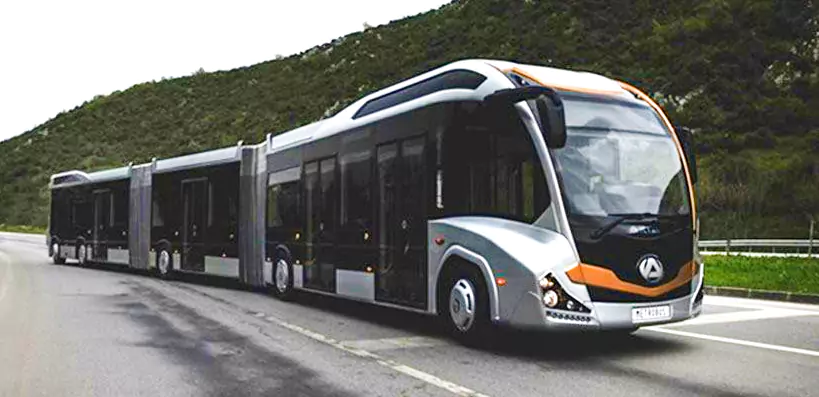
The metrobüs line links the European and Asian sides, starting from Beylikdüzü - a modern suburb on the European side - to Söğütlüçeşme station on the Asian side, passing over 45 stations (7 on the Asian side), in a record time not exceeding 90 minutes, compared to more than 3 hours by car during peak hours.
3. Istanbul Tramway
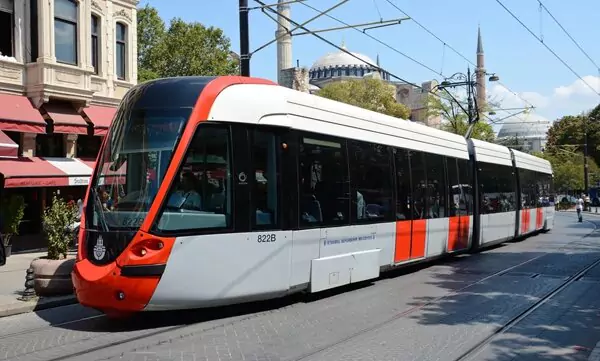
Operating over ground rail networks, it connects key modern districts and historic neighborhoods. The combined daily tramway and metro ridership exceeds two million passengers. Some of the popular tram lines include:
Tram line T1 connecting Kabataş and Bağcılar.
Tram line T3 connecting Kadıköy and Çarşı.
Tram line T4 connecting Topkapı and Selam Mosque.
4. Public Buses in Istanbul
One of the most common transportation means in Istanbul, with over 800 lines and more than 6000 buses covering almost all neighborhoods. It uses one of the world’s most advanced fare payment systems: the multi-purpose Istanbul transportation card, istanbulkart. This system offers various fare bands with special discounts for groups like the elderly, professionals such as students and teachers, monthly subscriptions, and other social compatibility features.
Foreign visitors can buy and recharge cards via machines available at most stations, supporting their own languages including Arabic, English, French, Russian, and Persian... Special discounts are usually granted for transfers within an hour across multiple buses, for example.
Many vehicles on public transport, metrobüs, metro, and tram lines offer free internet with sockets for charging smart devices.
The Mobiett app, available on Android and iPhone, is Istanbul’s official transportation app. It provides accurate bus arrival times and real-time tracking on maps, covering all transportation means in Istanbul.
5. Dolmuş in Istanbul, Turkey
A shared taxi minibus service with small-to-medium vehicles, usually following local shuttle routes. Passenger fare depends on distance and destination station, offering fast service and the ability to stop and get off almost anywhere without fixed stops.
6. Istanbul Taxis - Taxi Cars
Taxi cars are widespread throughout Istanbul neighborhoods, with several gathering points such as malls and large residential complexes inviting easy access.
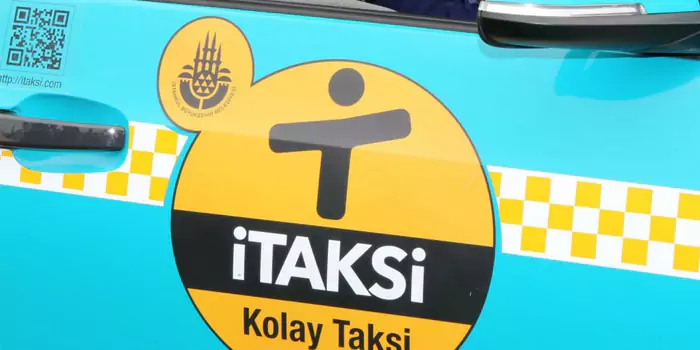
Recently, Greater Istanbul Municipality launched an improved taxi service with modern models painted distinctive turquoise, supported by a smartphone app developed locally named iTaksi, offering a strong local competitor to global apps like Uber!
Payments can be made by cash, Istanbulkart, or local and international credit cards.
7. Ships and Ferries - Maritime Transportation in Istanbul
Istanbul spans the shores of Asia and Europe and is surrounded by many water surfaces, making maritime transport essential and offering passengers spectacular views.
Istanbul Municipality operates ferries on designated routes within and outside the city, providing regular maritime lines to other cities like Bursa, Yalova, Balıkesir, Kocaeli, Gebze, and Eski Hisar. Booking these trips is easy through the official government maritime transport company (Istanbul Ferries) website, ido.
Tourist trips depart approximately every 20 minutes from small ports scattered across European shores like Yenikapı, Avcılar, Eminönü, Beşiktaş, and Asian shores like Princes' Islands, Kadıköy, Üsküdar.
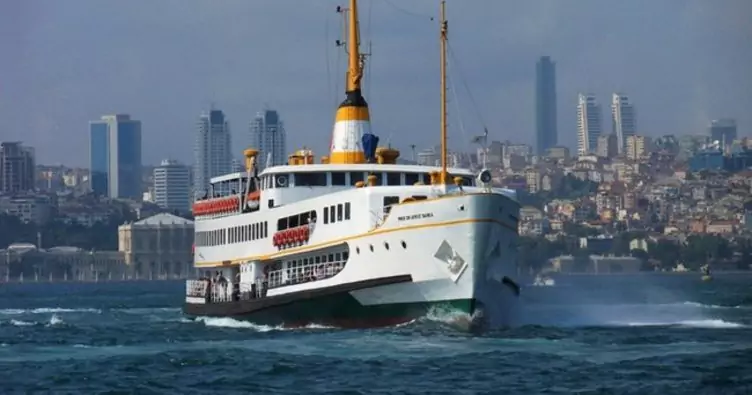
Some modern residential projects in Istanbul offer private sea taxi services such as the Murcan Marmara Project in Beylikdüzü, providing residents and guests with fast maritime routes, avoiding traffic congestion on the European side and cutting hours of waiting time during peak road hours.
Vital Projects in Istanbul
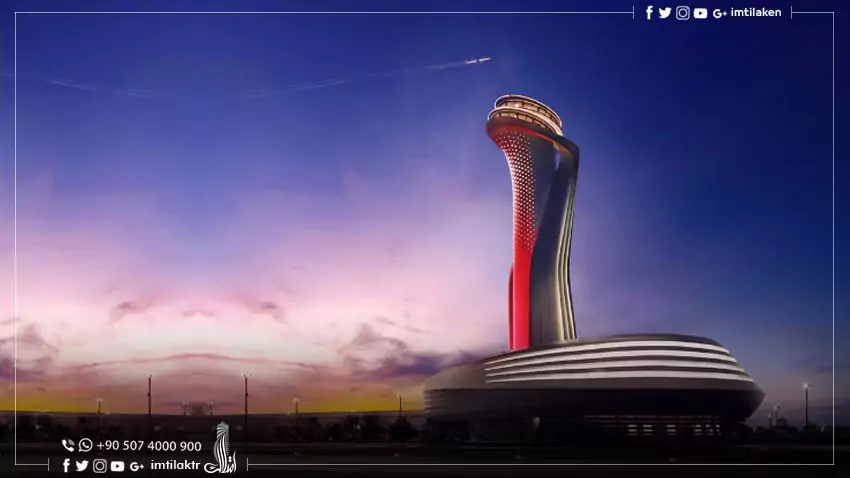
1. New Istanbul Airport
The New Istanbul Airport upon completion will connect 60 countries and economies worth 20 trillion dollars and enable travel from Istanbul to 66 countries within 5 hours!
It is Istanbul’s third airport after Atatürk Airport on the European side and Sabiha Gökçen Airport on the Asian side, truly making Istanbul a global airport hub!
Also read our article about: The Power and Features of the Turkish Passport and How to Obtain Turkish Citizenship.
2. Istanbul Canal - The Dream Project
The Istanbul Canal, or the project of the century, is one of the largest projects to be undertaken in the 21st century not only in Turkey but worldwide. It aims to connect the Sea of Marmara with the Black Sea, parallel to the Bosphorus Strait.
This canal will be a huge opportunity for Istanbul’s real estate sector. Property prices have already increased even before the canal's construction, especially in areas such as Avcılar, Başakşehir, Küçükçekmece, Arnavutköy. This has led to positive results like the development of large real estate projects in Başakşehir, including commercial complexes, health facilities, sports halls and fields, and transportation hubs.
3. Eurasia Tunnel in Istanbul
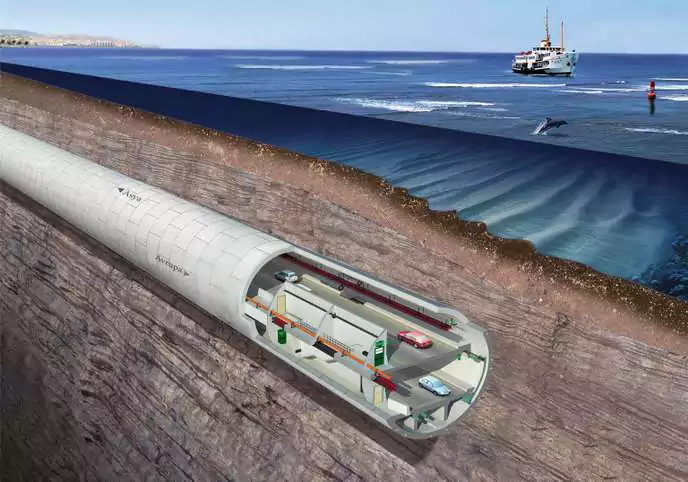
The tunnel connects Istanbul’s two shores underwater, extending 14.6 km with 3.4 km under the Bosphorus seabed. It accommodates cars, small and medium buses, and reduces travel time from 100 minutes to 15 minutes, alleviating traffic congestion in Istanbul's streets.
The tunnel has two levels, each with two lanes for both directions. It features advanced technology, including upper pedestrian walkways and lower transport lanes.
4. Third Istanbul Bridge - Sultan Selim Bridge
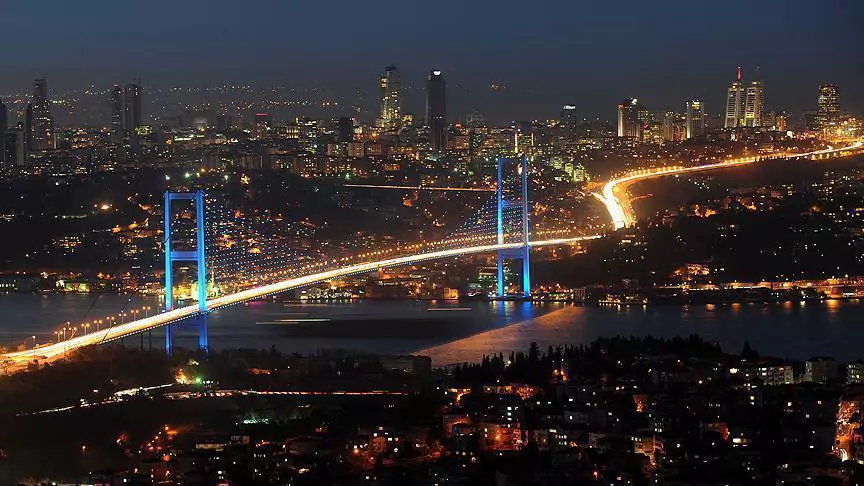
More than just a bridge, it is an artistic and engineering masterpiece, spanning the Bosphorus Strait and connecting the Asian and European shores. It enables 1.5 million travelers to cross daily, significantly alleviating city traffic congestion.
International Schools in Istanbul
Both Arab and international schools in Istanbul attract thousands of Arab families who have chosen to reside and freehold properties within Istanbul Real Estate and wish to educate their children in Arabic.
These schools teach curricula accredited in several Arab countries, and also focus on English, French, and Turkish languages based on each family's needs, leading to a recent surge in demand for these schools.
Tourism in Istanbul - Outstanding in All Seasons
For even a single day of the year, Istanbul never stops welcoming tourists who flock from all corners of the world to witness with their own eyes the unique blend of tradition and modernity the city embraces.
Tourist Spots in Istanbul
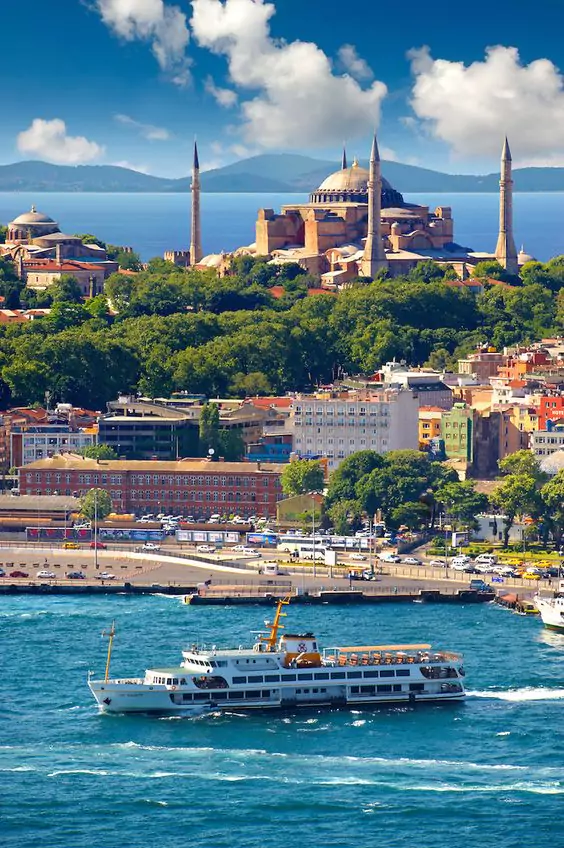
1. Hagia Sophia Mosque
One of Istanbul’s outstanding architectural and artistic landmarks, Hagia Sophia was originally a cathedral. Upon Islamic conquest, it was converted into a mosque, later turned into a historical museum after Ottoman rule ended, and then reinstated as a mosque following a decision by the Turkish court and re-inaugurated under the Republic's ceremony.
2. Topkapi Palace - The Imperial Gate Palace
The palace where the Ottoman sultans lived when Istanbul was the capital, built in 1459 during Sultan Mehmed the Conqueror’s reign. It is now one of the city’s most famous tourist attractions.
3. Sultan Ahmed Mosque - Blue Mosque in Istanbul
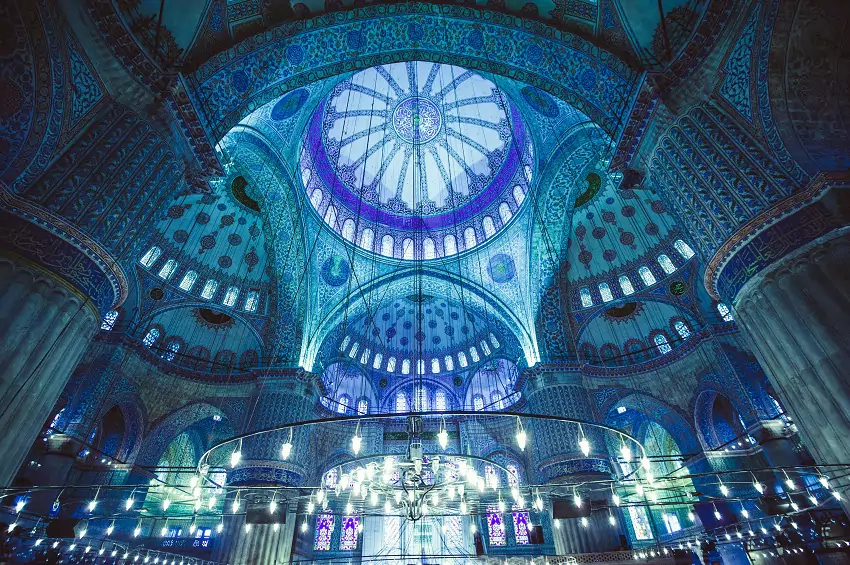
Built between 1609 and 1616 under architect Mehmet Ağa, a student of the renowned Mimar Sinan, during Sultan Ahmed I's reign. Its interior walls are decorated with İznik blue tiles, reflecting sunlight through the windows creating a stunning visual effect.
Turkey is known as the land of mosques or the land of minarets, with nearly 90,000 mosques according to recent statistics.
4. Covered Market - Grand Bazaar
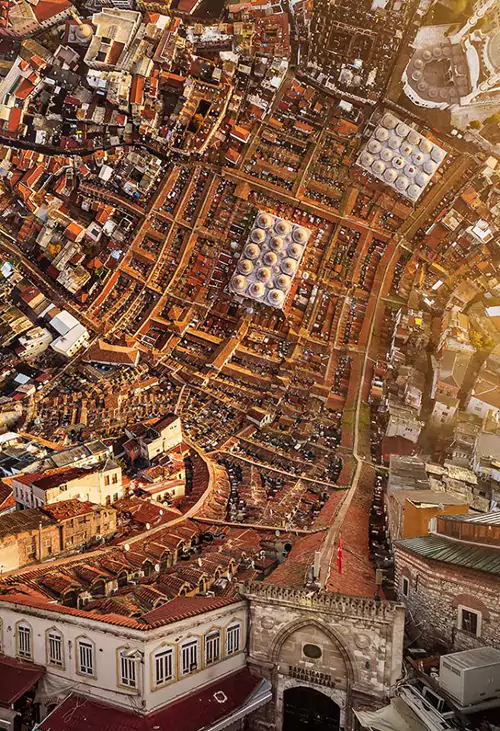
The Grand Bazaar is a famous historic landmark attracting nearly 400,000 visitors daily, with about 5,000 diverse shops spread across 60 streets and employs around 26,000 people.
The Nobel laureate poet Joseph Brodsky described the Grand Bazaar in his book "Journey to Istanbul" as the heart, brain, and soul of Istanbul, calling it a city within a city built in the past.
Built during Sultan Mehmed the Conqueror's era in 1461, its construction took about four years. Sultan Suleiman the Magnificent expanded it in the 16th century. After an earthquake damaged it, it was restored in 1894.
5. Mall of Istanbul - The Largest Multi-Purpose Mall in Europe
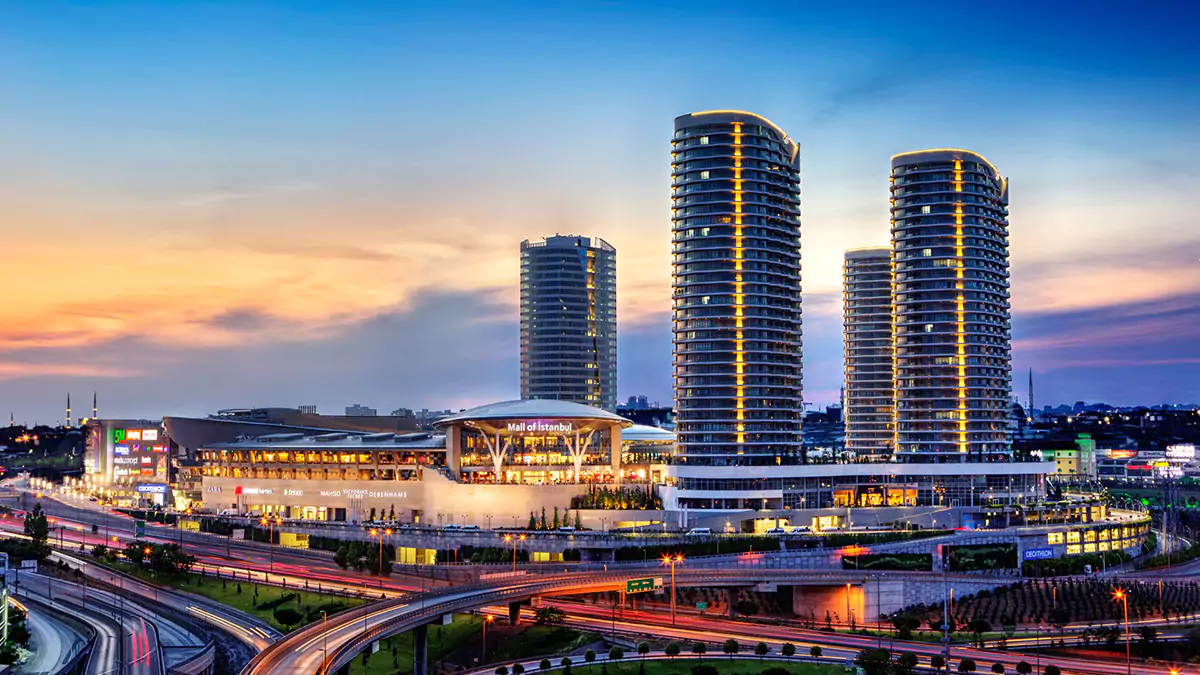
The Mall of Istanbul is huge and needs more than one day to uncover all its secrets. It includes the latest global brands and Europe’s largest indoor amusement park. It consists of 7 towers and 4 major sections:
Residential complex: Mall of Istanbul apartments within 4 adjacent residential towers.
Hotel with hotel apartments: Mall of Istanbul Hotel.
Commercial offices: Mall of Istanbul offices.
Shopping mall: Mall of Istanbul shops.
6. Tulip Festival in Istanbul - A Paradise in a City
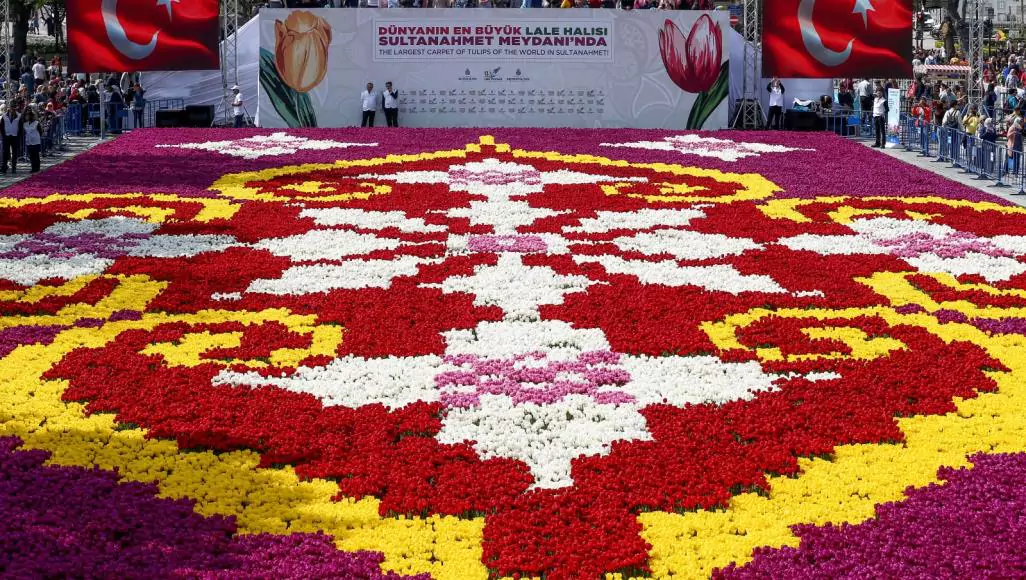
One of Istanbul’s most beautiful natural delights is witnessed especially in spring, where you can follow tourists' tracks to find yourself in open gardens such as Gülhane Park next to Sultanahmet Square, holding the largest tulip carpet in the world every spring!
Also, Emirgan Park's tulip displays are breathtaking and almost indescribable, especially after experts and artists have perfected their beauty. The overwhelming presence of colors looks as if poured with every shade on richly patterned carpets based on the tulip flower, the unique flower that amazed Europeans when introduced by the Ottomans. That's why historians named the Ottoman Empire's golden age the Tulip Era (Lale Period), where sultans focused on arts, culture, and literature, ordering tulips to be planted everywhere to crown the entire empire.
A fixed month-long flower festival starting April each year tours around Istanbul, adding charm and allure.
Istanbul Real Estate - A Sea of Options
Days and years pass, leaving this city only with splendor and beauty, unlike others that age and shrink to oblivion. Istanbul continues to shine, youthful and expanding with globally pioneering projects, alongside the growing desire daily for residence and living in Istanbul apartments.
Naturally, there is variation in apartment prices in Istanbul, opening a wide door for investors of all levels and budgets, attracting new investor classes keen to enter the promising real estate investment in Istanbul. Especially with government incentives to the real estate sector such as tax reductions, residence permits, and Turkish citizenship grants in exchange for real estate investment.
Sources: Anadolu Agency + TurkPress + Al-Araby Al-Jadeed Newspaper + Al Jazeera Net + Mal Economy Newspaper + Greater Istanbul Municipality
Editor: Imtilak Real Estate©
Do you like this topic? You can share it with your friends now!


Do you like this topic? You can share it with your friends now!